Insider Threat Prevention: 7 Actionable Best Practices to Secure Your Data
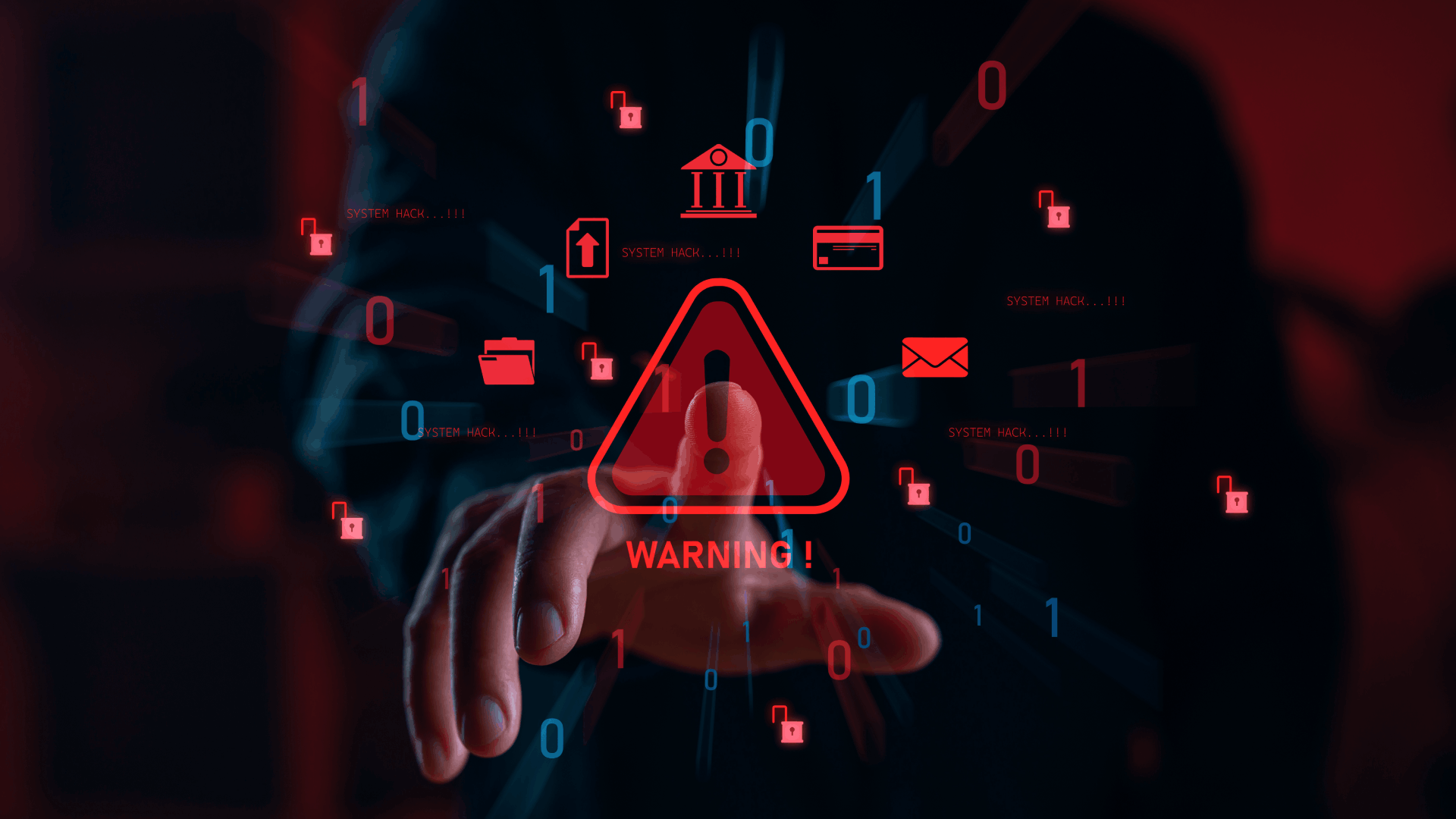
Organisations often consider cybersecurity as an issue related to attacks on the outside, such as hackers, ransomware, or unknown agents attempting to get into the organisation. However, a lot of the most harmful security accidents are conducted within the organisation, and those involved are individuals who already have authorised access to systems and data, despite having room for Insider Threat Prevention.
An insider threat is a type of security risk caused by employees, contractors, vendors or partners who have authorised access to internal resources. Those threats may be either deliberate or unintentional, and the consequences are quite harsh in many cases. Research within the industry has repeatedly indicated that issues involving insiders are one of the most expensive, based on the fact that these are detected later and that the privileged access is abused and sensitive data is compromised.
This reference guide is devoted to insider threat prevention, not a control that is implemented once, but a continuous security practice. You will find out how to thwart an insider threat with an equal combination of policy, technology, behaviour awareness, and operational discipline.
Understanding the Types of Insider Threats
It is also worth remembering that not all insider threats are alike before designing controls.
- The Malicious Insider – Bad insiders use their access with the intention of stealing data, committing fraud, or sabotaging systems. The incidents are infrequent but very destructive since they possess inside information.
- The Negligent Insider – The risk posed by negligent insiders is the most frequent. They cannot resist phishing, using the same passwords, misusing sensitive files, and disregarding security rules without bad intentions.
- The Compromised Insider – These insiders are those whose credentials have been stolen by malicious other users. Their authorised access is then a source of attack.
Successful insider threat mitigation strategies combat all three groups instead of targeting hackers.
Top Best Practices for Insider Threat Prevention
Implement the Principle of Least Privilege (PoLP)
The principle of least privilege is one of the best means of curbing internal security risks. Users must not be able to access more data and systems than they need to carry out their role. Most organizations over time, experience privilege creep where employees get access privileges as they switch positions or projects.
Actionable steps –
- Have quarterly reviews of all critical systems
- Eliminate unproductive or unutilized permissions
- Assign access rights based on job roles and not individuals
Restricting access minimises the blast radius of malicious and accidental insider threat mitigation strategies.
Monitor User Behaviour with Analytics (UBA)
Conventional security solutions are system-oriented, not human-oriented. User Behaviour Analytics (UBA) addresses this void by creating a normal activity baseline and raising an alarm when there is a deviation. Signs of insider risk may include timely abnormal data transfers, out of the ordinary login times, or access to unknowledgeable systems.
The examples of high-risk anomalies –
- Downloads files in large volumes during off-hours
- Unforeseen logins on both locations and devices
- Unauthorised entry to classified libraries
Behavioural visibility can be crucial when you wish to know how to protect against insider threats proactively, rather than responding to damage when it has already happened.
Foster a Culture of Security Awareness
Insider Threat Prevention cannot be overcome only by technology. The most unpredictable security program variable is human behaviour. Security awareness must step outside of the annual compliance training and be a part of normal operations.
The efficient awareness programs are –
- Shorter and more regular training modules rather than longer annual training
- Easy directions on sensitive data
- Mistake or suspicious behaviour (psychological safety of reporting it)
The feeling of support when they know how to prevent insider threats makes employees report earlier before they can flee to breaches.
Secure Critical Assets with Data Loss Prevention (DLP)
Data Loss Prevention tools are used to make sure the sensitive information does not leave the organisation without authorisation. They play a fundamental role in insider threat prevention, especially of careless or malicious insiders.
DLP controls are used to monitor and restrict –
- Figures on email attachments of sensitive data
- The file is uploaded to personal cloud storage
- Utilisation of removable media and USB drives
DLP, when set correctly, minimises accidental leaks and also gives views of dangerous behavioural patterns.
Establish a Formal Insider Threat Program
Security controls that are ad hoc are not very effective in dealing with insider threats. Major organisations have a formal insider threat program that integrates technical, legal, and human views.
A mature program will normally entail –
- IT and security monitoring and controls
- HR in a behavioural context and policy enforcement
- Legal and compliance with governance and response protocols
Formalised practices can be used to provide uniformity, minimize bias, and enable justifiable decision-making in an investigation.
Implement Robust Offboarding Procedures
There are hardly any insider cases that are given as much news coverage as zombie accounts, a credential used by former employees or contractors. Offboarding has to be automated, instant and auditable.
Best practices include –
- Revocation of access during termination, same-day
- Retrieval or remote wipe policies for devices
- Audit of common accounts and API keys
Powerful offboarding prevents both intentional revenge and unintentional access after employment.
Technical vs. Behavioural Indicators
Mitigation of insider threats should be based on the knowledge of both technical indicators and the human factor.
There are technical indicators, such as:
- Installation of third-party software
- Efforts to interfere with security measures
- Too many permission escalation requests
The indicators of behaviour might include:
- The abrupt alteration of work patterns.
- Symptoms of stress, detachment or discord.
- Awkward secrecy in activities/information.
Security teams are not supposed to use one signal. In order to decrease false positives and preserve trust in employees, contextual correlation is essential.
Conclusion
It is not about mistrust, but awareness, responsibility, and resilience that will aid in insider threat prevention. The best programs strike a balance between people, processes and technology to minimise the risk without damaging culture.
Successful organisations are concerned with:
- Reducing unjustifiable access.
- Tracking behaviour, not systems only.
- Helping the employees by educating and being transparent.
You are not able to prevent what you are not able to see. The first step towards defending your organisation against insider threats is visibility into access, behaviour, and data flow. The next step? Find an insider threat preparedness checklist or ask a security expert to evaluate the internal security risks of your organisation.
Download our Insider Threat Checklist or Contact our Security Team for an Audit at RemoteDesk.com!
1. What is RemoteDesk?
2. How does RemoteDesk ensure compliance with regulations like PHI, HIPAA & PCI DSS?
3. Can RemoteDesk integrate with our existing security and productivity tools?
4. How does RemoteDesk handle remote and hybrid workforce management?
5. What types of analytics and reporting does RemoteDesk offer?