

The Remote Hiring Bait-and-Switch: Why Imposter Detection Can’t Stop at the Interview
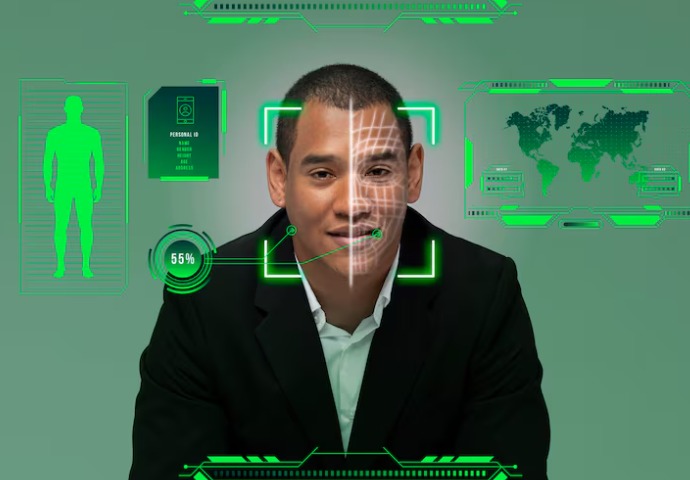
You interviewed an expert. You hired them. You gave them network access. But who is actually logging in every morning?
Remote hiring helps companies scale globally. However, it has also created a dangerous new insider threat: the “Shadow Worker.”
Organizations are discovering a scary truth. The person who passed the interview is not always the person doing the daily work. This “bait-and-switch” bypasses standard firewalls. It leaves your sensitive corporate and customer data completely exposed to unvetted strangers.
If your identity fraud prevention strategy stops the moment an employee is hired, you have a massive security blind spot.
Here is why traditional hiring checks fail, and how modern fraud detection systems are fixing the problem with Continuous Verification.
The “Paper Shield” of Remote Security
Most organizations rely on a standard remote security stack: Multi-Factor Authentication (MFA), a background check, and a signed NDA.
This is just a “Paper Shield.”
MFA is like a security guard checking an ID at the front door. It verifies the login. But it does not verify the human behind the screen for the rest of an eight-hour shift.
In a remote environment, one-time logins cannot stop:
- Proxy Employment: A hired employee handing their company laptop to an unvetted friend to finish their shift.
- Subcontracting Fraud: An authorized worker illegally outsourcing their job to a low-cost offshore worker while keeping the US salary.
- Deepfake Interviews: Fraudsters using AI-generated video tools to pass onboarding checks.
The High Cost of the “Shadow Worker”
Treating candidate impersonation as a simple “HR mistake” is a critical error. It is a severe cybersecurity vulnerability.
When an imposter gains access to your internal systems, the financial stakes are massive.
- Data Exfiltration: On the dark web, a single stolen medical record sells for up to $500. Comprehensive financial identities sell for over $20,000. An imposter only needs a smartphone camera to steal this data off their screen.
- Regulatory Fines: If an unvetted person accesses PCI or HIPAA data, your organization faces immediate breach liability. A vendor contract will not save you.
- IP Theft: Imposters can easily steal proprietary code, trading algorithms, or customer databases.
Building a Fraud-Proof Pipeline: Continuous Verification
To achieve true identity fraud prevention, enterprises must move beyond tracking “Attendance” (logging in). They must enforce “Accountability” (verifying the identity of the person working).
You cannot put a physical badge reader on a home office. However, modern fraud detection systems can create a Digital Clean Room using AI-powered Physical Safeguards.
- Shift to Continuous Imposter Detection Do not just check the ID at the door. Enterprise-grade tools use continuous facial verification. They ensure the vetted employee is the only person at the keyboard all day. If the face changes, the system instantly locks the screen.
- Enforce Environmental Control An imposter doesn’t always take over the keyboard; sometimes they just look over a shoulder. Your security system must detect unauthorized faces entering the camera’s view and instantly block the screen.
- Detect Analog Data Theft If an imposter uses a mobile phone to photograph confidential information, digital software will not see it. Computer vision AI can detect the physical presence of a smartphone and block the screen before data is captured.
Security That Respects Privacy
The most common objection to continuous imposter detection is employee privacy. However, security does not require surveillance.
Leading platforms operate on a Zero-Knowledge Architecture. This means the AI detects environmental risks (like a new face or a mobile phone) and sends an alert to management. It never stores continuous video feeds, takes screenshots of personal workspaces, or archives facial data.
It is environmental risk monitoring, not personal surveillance.
Turn HR Policy into Proof
Stop guessing if the person on your payroll is the person doing the work.
A signed contract transfers liability. Physical safeguards actually prevent the breach. If you cannot verify the physical environment of your remote workers, you do not control your data.
Protect your IP. Eliminate ghost workers. Secure every remote workspace.
Schedule a Remote Identity Risk Assessment – https://remotedesk.com/
1. What is RemoteDesk?
2. How does RemoteDesk ensure compliance with regulations like PHI, HIPAA & PCI DSS?
3. Can RemoteDesk integrate with our existing security and productivity tools?
4. How does RemoteDesk handle remote and hybrid workforce management?
5. What types of analytics and reporting does RemoteDesk offer?

