Top Remote Workforce Management Tools and Technologies (2025)
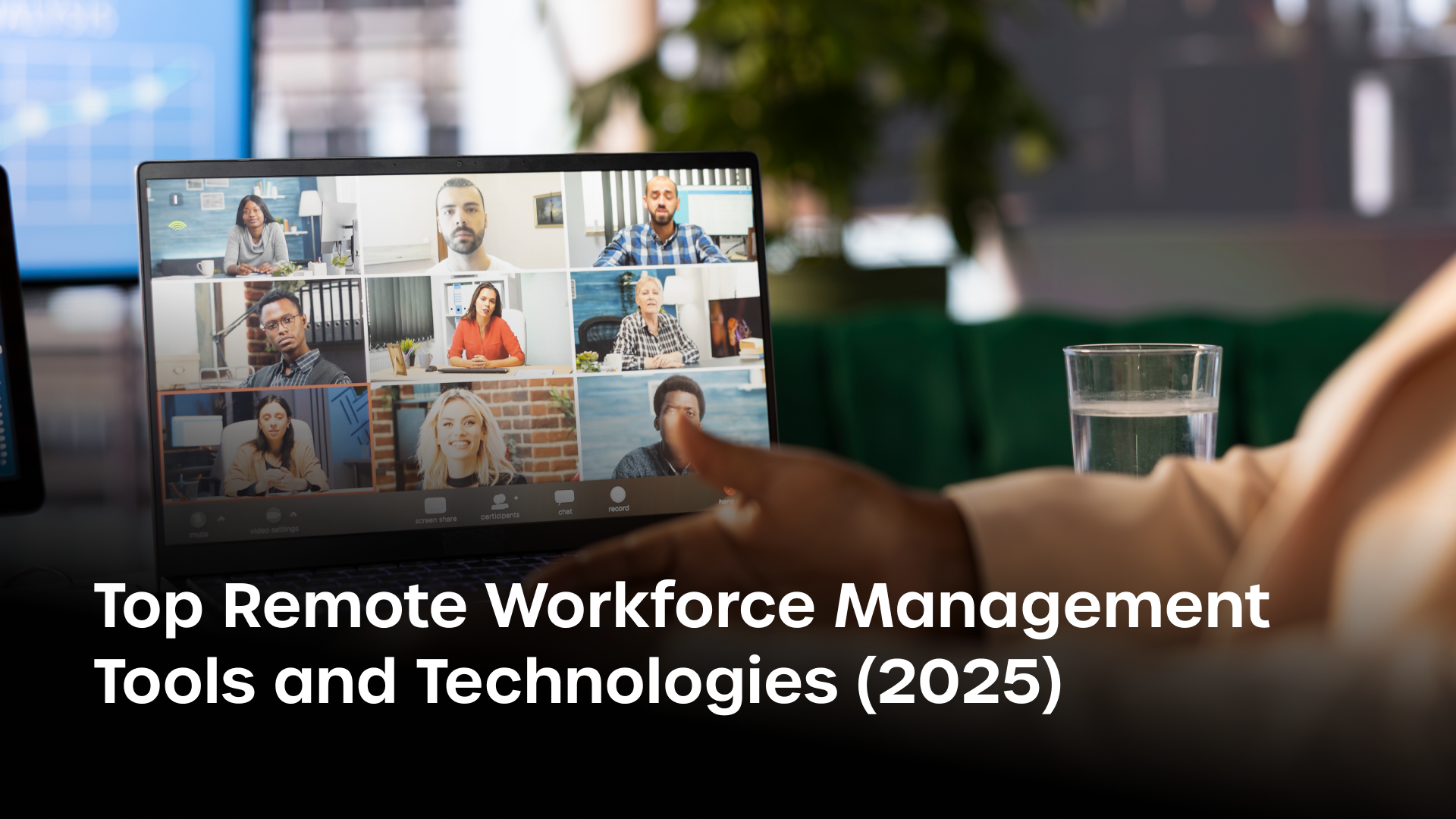
Remote work is now the backbone of modern-day businesses. With teams spread across cities and countries, companies must find more secure ways to collaborate and maintain productivity. That’s where remote workforce management comes in.
As organizations continue to evolve in 2025, managing remote teams effectively is becoming essential for success. Businesses now depend on the right mix of remote workforce technology and management tools to monitor productivity and maintain team engagement across borders.
In this blog, we’ll explore what remote workforce management really means, the challenges businesses face, the strategies that work, and the best tools and technologies that make it all possible.
What is a Remote Workforce?
Before diving into the tools, let’s understand what a remote workforce is.
A remote workforce consists of employees or teams who work outside the traditional office, whether from home, co-working spaces, or anywhere with an internet connection. These distributed teams operate across time zones and geographies, connected through digital tools that allow them to collaborate in real time.
This new way of working allows businesses to hire the best talent globally and operate 24/7 without being limited by geography. But managing such teams requires more than trust and good communication along with technology-driven coordination.
That’s why the concept of remote workforce management has become so critical for modern enterprises.
What is Remote Workforce Management?
Remote workforce management refers to the systems and processes that help businesses manage and optimize distributed teams. It involves using digital tools to track productivity and protect sensitive information.
The key objectives of effective remote workforce management are:
- Tracking employee performance and attendance
- Maintaining security and compliance standards
- Enabling smooth collaboration across departments
- Supporting employee engagement and well-being
Unlike traditional workforce management, this approach relies on remote workforce management software that integrates real-time analytics and secure access controls. It allows organizations to make informed decisions and maintain accountability even in virtual environments.
4 Key Challenges of Managing a Remote Workforce
Managing distributed teams offers flexibility, but it also comes with its share of challenges. Understanding how to manage a remote workforce effectively starts with addressing these common pain points.
Communication Barriers and Time Zones
With employees working across different locations, time zone differences can make real-time communication tricky. Without structured channels, messages can get lost and collaboration can get delayed.
Limited Visibility into Workflows
Managers often find it difficult to track what remote employees are working on. Without visibility into productivity data, it’s hard to measure performance or identify bottlenecks early.
Security and Data Privacy Risks
With employees accessing company systems from multiple networks and devices, maintaining data security becomes a challenge. Businesses need remote workforce technology that ensures safe logins and compliance with privacy regulations.
Maintaining Engagement and Culture
Building a strong company culture remotely is no small feat. Employees may feel isolated, and engagement can drop without consistent feedback and recognition.
Recognizing these challenges is the first step toward building a stronger, more connected remote workforce.
5 Key Strategies for Effective Remote Workforce Management
Successful remote workforce management is built on a mix of right strategy and technology.
Here are the 5 key practices that help businesses manage distributed teams efficiently:
1. Establish Clear Communication Channels
Use structured communication tools like Slack or Microsoft Teams to create channels for projects and social interaction. Clear communication eliminates confusion and builds transparency.
2. Define Goals and KPIs
Every remote employee should have clear, measurable goals. Well-defined KPIs help align teams with business objectives and make performance reviews more data-driven.
3. Prioritize Security and Access Control
Implement remote workforce management software with built-in security features such as MFA (multi-factor authentication), encrypted data sharing, and real-time access monitoring.
4. Conduct Regular Check-Ins and Feedback Sessions
Schedule virtual one-on-one meetings and team reviews to keep employees engaged and supported. Regular feedback also helps in identifying improvement areas early.
5. Encourage Work-Life Balance
Avoid burnout by promoting flexible schedules and recognizing individual workloads. A healthy environment allows employees to stay productive and committed.
When implemented correctly, these strategies turn remote work from a challenge into a long-term advantage.
Top Remote Workforce Management Tools (2025)
Technology is the backbone of successful remote workforce management. The right remote workforce tools can make remote collaboration seamless and efficient.
Here are the top solutions shaping the remote work landscape in 2025:
RemoteDesk
A leader in remote workforce management software, RemoteDesk uses AI-powered monitoring and real-time analytics to help businesses maintain productivity. It offers secure access control and automated attendance tracking.
Time Doctor
This popular time-tracking platform helps organizations monitor working hours, analyze productivity trends, and optimize workflows. It provides actionable data for performance improvement and accountability.
Slack / Microsoft Teams
These are essential communication tools that foster collaboration across global teams. They support chat, video calls, and file sharing, creating a virtual workspace that feels cohesive and interactive.
Asana / Trello
Project management tools like these help managers assign tasks, set deadlines, and track progress. They improve visibility and make it easy to prioritize work without constant check-ins.
Zoom
A staple for virtual meetings, training sessions, and conferences, Zoom offers reliable video communication for both small teams and large enterprises.
These remote workforce tools simplify every aspect of virtual collaboration, right from daily communication to long-term project tracking, allowing businesses to maintain both performance and culture.
Role of Remote Workforce Technology in Modern Businesses
Remote workforce technology plays a central role in shaping today’s digital organizations. As businesses expand globally, technology ensures that remote work remains secure and efficient.
The latest tools are driven by AI, automation, and cloud-based systems, allowing managers to:
- Gain real-time visibility into employee performance
- Automate repetitive administrative tasks
- Integrate HR, communication, and productivity platforms into one ecosystem
- Maintain compliance with global data protection standards
This digital foundation allows companies to manage large, distributed teams effortlessly while improving employee trust and output.
Measuring Performance and Productivity in a Remote Setup
For businesses managing remote teams, measuring productivity goes beyond tracking hours. It’s about understanding output and engagement.
Key metrics to evaluate include:
- Time efficiency: How well employees use their working hours
- Task completion rates: The percentage of work delivered on schedule
- Quality of output: Measuring accuracy, innovation, and customer satisfaction
- Collaboration frequency: How often teams interact or share progress
- Engagement levels: Attendance in meetings, response times, and participation
Advanced remote workforce management systems combine these metrics with secure login tools, MFA, and behavior analytics, giving leaders real-time visibility without micromanaging.
By focusing on results instead of surveillance, businesses can build trust while ensuring accountability.
Future Trends in Remote Workforce Management
As we move through 2025 and beyond, the landscape of remote workforce management continues to evolve. Businesses are prioritizing not only productivity but also employee experience and security.
Key trends include:
- AI-driven automation: Predictive analytics and intelligent reporting will help identify workflow inefficiencies before they occur.
- Hybrid workforce models: The combination of in-office and remote work will remain the norm, supported by smarter scheduling and digital collaboration platforms.
- Focus on employee well-being: Companies will invest more in mental health support, flexible hours, and inclusive policies.
- Data-driven decision-making: Businesses will use insights from remote workforce management software to optimize staffing and improve engagement.
How RemoteDesk Empowers Secure Remote Workforce Management
As remote work continues to shape the future, RemoteDesk emerges as a complete solution for secure and efficient remote workforce management. It’s designed to give businesses full visibility and control in how their remote teams operate.
Real-Time Monitoring and Authentication
Remote Desk ensures that only verified employees access company data. Its AI-driven system monitors activity, ensuring transparency without invading privacy.
Compliance and Security
Built on GDPR, HIPAA, and SOC 2 frameworks, Remote Desk prevents insider threats and secures confidential business information.
Performance Insights and Reporting
Managers gain real-time analytics on productivity, engagement, and time utilization, helping them make smarter, data-backed decisions.
Scalability and Flexibility
From small startups to multinational enterprises, RemoteDesk scales effortlessly to fit unique business needs, enabling consistency and control across all remote operations.
Conclusion
The rise of remote work has transformed how businesses function but managing a distributed workforce requires strategy and technology. A strong remote workforce management system brings together people and platforms to ensure efficiency and security.
A well-managed remote workforce not only boosts productivity but also boosts engagement and long-term growth.
With RemoteDesk’s remote workforce management software, organizations can enhance visibility and future-proof their operations.
1. What is RemoteDesk?
2. How does RemoteDesk ensure compliance with regulations like PHI, HIPAA & PCI DSS?
3. Can RemoteDesk integrate with our existing security and productivity tools?
4. How does RemoteDesk handle remote and hybrid workforce management?
5. What types of analytics and reporting does RemoteDesk offer?

How to Manage a Remote Workforce Tools, Strategies, and Best Practices for 2026

BYOD Explained Definition, Benefits, Risks, and Best Practices for 2025